Ohio’s version of hurricane season
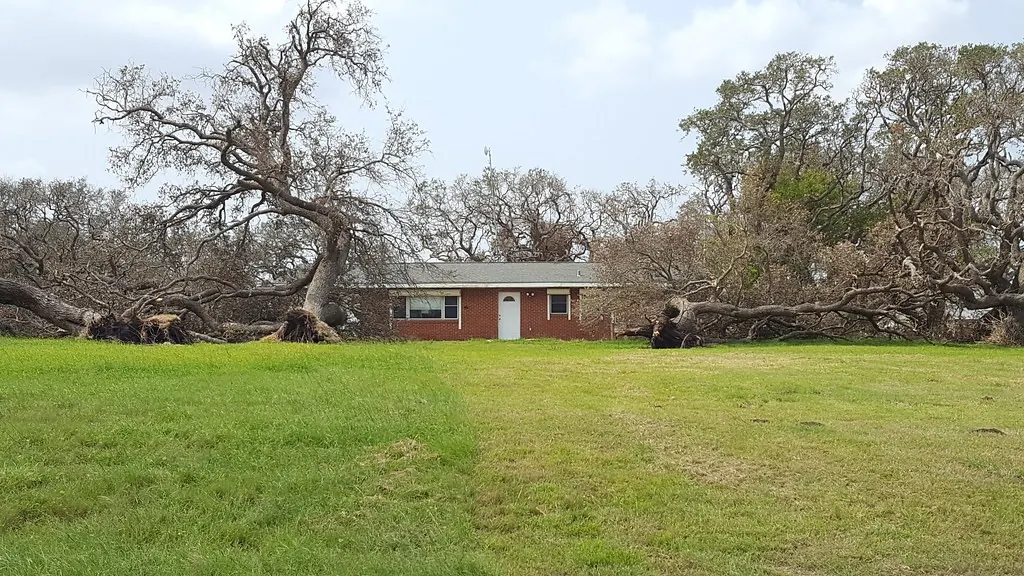
On September 14, 2008, the remnants of Hurricane Ike crossed Ohio with hurricane-force gusts. Roofs, siding and trees failed across the state, roughly two million customers lost power and the event became one of the costliest insured disasters in Ohio history. On June 29, 2012, a derecho raced across central and southern Ohio, including Columbus, leaving around a million without power. Neither storm was a tornado, yet both caused damage on a scale that overwhelmed adjusters for months.
Derecho damage appraisal in Ohio deals with that aftermath: claims that were scoped quickly by out-of-state catastrophe adjusters, partial payments that never caught up with real repair costs and roofs patched instead of replaced.
What makes these storms different
A derecho is a long, fast-moving line of thunderstorms producing widespread damaging wind. Hurricane remnants bring sustained wind over hours, sometimes with heavy rain. Both create damage over enormous areas at once, which leads to:
- Catastrophe adjusters working from templates instead of thorough inspections
- Contractor shortages that drive local labor and material prices up after the storm
- Fallen trees damaging roofs, fences, sheds and vehicles across whole neighborhoods
- Extended power outages that spoil food and allow pipes or sump pumps to fail
- Damage noticed weeks later, such as leaks from loosened flashing
Trees are the signature of both events. Ohio’s older neighborhoods — German Village, Upper Arlington, Clifton, Oakwood — are shaded by mature oaks, maples and sycamores that fail in sustained wind. A single limb can puncture a roof, crush a gutter run and break windows on the way down. Tree damage often spans several coverage parts at once: the dwelling, other structures such as a detached garage or fence, debris removal and, sometimes, a separate tree-removal limit. Sorting those pieces correctly is often where catastrophe estimates go wrong, and it is a common source of the gap an appraisal panel is asked to close.
Pricing after a catastrophe
Estimates written in the first weeks after a major storm often use pre-storm pricing, even though actual costs rise as demand spikes. An appraisal valuation should reflect what it really costs to repair the property in your area at the time the work is done. We document local labor rates and material availability so the panel works from realistic figures.
Reopening an older storm claim
Owners sometimes find additional storm damage months later. Whether an older claim can still be reopened or appraised depends on your policy’s notice and suit-limitation terms, which on many Ohio forms run one year from the date of loss. Check your policy and talk to an Ohio attorney if a deadline is near. Our claim calendar builder can help you track the dates.
Regions hit hardest
Large wind events in Ohio rarely respect regional lines. The 2012 derecho hit Columbus and the central and southern counties hard; Ike’s remnants swept from Cincinnati and Dayton up through central and northeast Ohio. See our Columbus and Cincinnati pages for local notes.
Related pages
For tornado-specific claims, see tornado and windstorm appraisal. To learn the vocabulary of storm claims, visit the appraisal lexicon.
Questions about derecho & hurricane remnant appraisal
Does a hurricane deductible apply to storms in Ohio?
Ohio has no coastal hurricane deductible system, but some policies carry a wind/hail deductible that can be a percentage of the dwelling limit. That deductible would usually apply to remnant-storm and derecho wind losses. Check your declarations page.
What is a derecho, in insurance terms?
Insurers usually treat a derecho as a windstorm, a covered peril on most Ohio homeowner and commercial policies. The name refers to the storm’s long path and widespread straight-line wind rather than any special coverage category.
Can appraisal fix an estimate written by a catastrophe adjuster?
Yes, if coverage is accepted and the dispute is about how much the damage costs. Catastrophe estimates are frequently incomplete, and appraisal lets both sides build and compare full scopes.
Why did my repair costs rise after the storm?
Large storms create heavy demand for roofers, tree crews and materials in a short time, which can push local prices up. An appraisal valuation should reflect realistic costs for when repairs are actually done.