Ohio’s tornado history shapes how claims are handled
Ohio sits on the eastern edge of the nation’s tornado belt, and its storm record is long. The June 28, 1924 Lorain–Sandusky tornado was the deadliest in state history. The April 3, 1974 Xenia F5 was part of the Super Outbreak. The May 31, 1985 Niles–Wheatland F5 tore through the Mahoning Valley. More recently, the Memorial Day 2019 outbreak sent an EF4 through Trotwood, Harrison Township and Brookville and an EF3 through Beavercreek, and the March 14, 2024 Indian Lake EF3 hit Logan County. Each event left carriers and owners disputing what was damaged and what it costs.
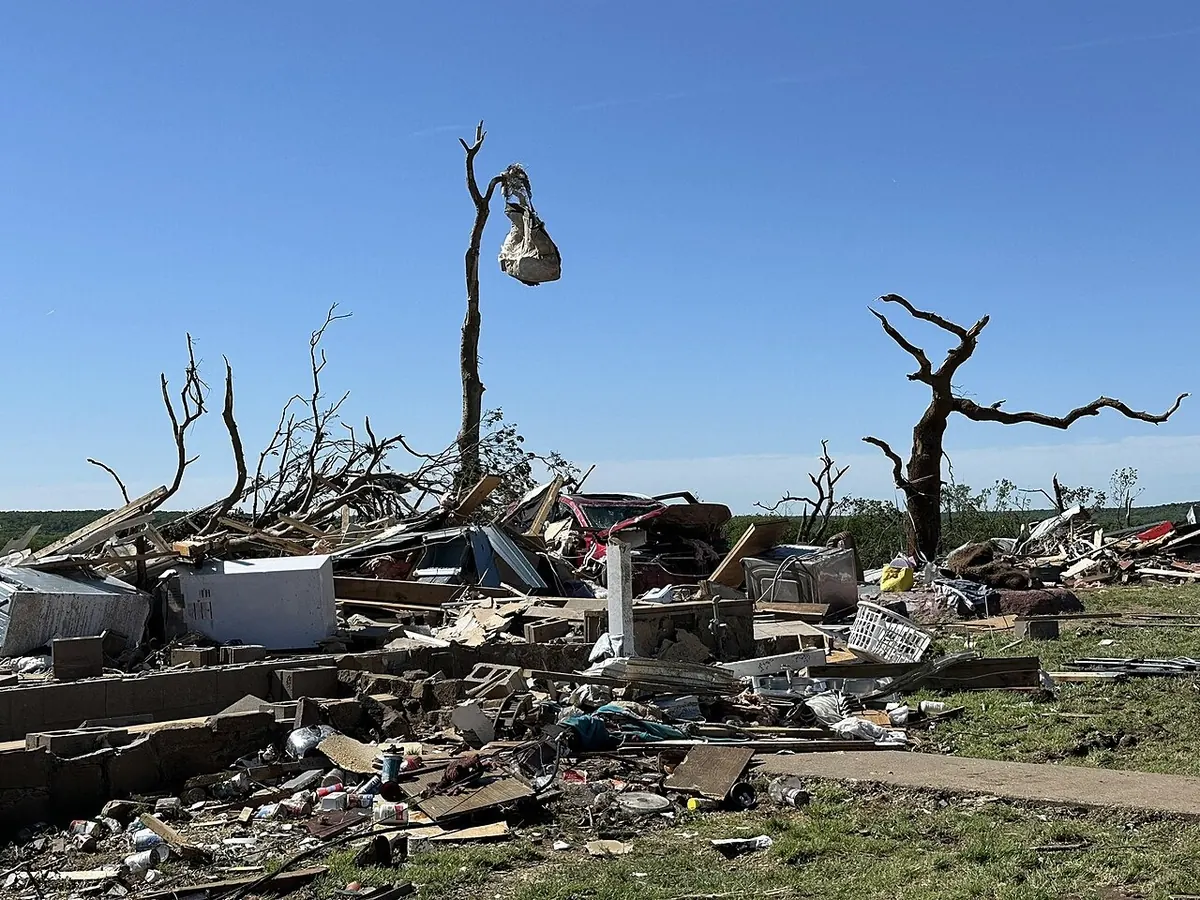
Tornado damage appraisal in Ohio is often about the less obvious damage — not the missing roof, but the racked framing, cracked foundation walls and twisted trusses that a quick inspection misses.
Straight-line wind deserves equal attention
Many Ohio wind claims come from thunderstorm downbursts rather than tornadoes. Straight-line winds can reach damaging speeds over wide areas, peel shingles, take down mature trees and push rain through siding. Carriers sometimes treat these as minor events and scope only the visible shingle loss.
Damage that often gets left out
- Lifted or creased shingles that look intact from the ground but have lost their seal
- Racked walls, out-of-square windows and doors that no longer close
- Foundation cracks and shifted sill plates
- Tree strikes that cracked rafters or ridge boards
- Interior water damage from wind-driven rain
- Debris removal, tree removal and debris-hauling costs
Structural questions need the right expert
When a tornado shifts a house or a large tree crushes a roof section, a structural engineer’s report may be needed. We coordinate that input and fold it into the appraisal scope so the panel sees the full picture. A carrier estimate that patches a damaged truss without an engineer’s sign-off may not satisfy your local building department.
Total loss or repair?
After a strong tornado, the question can become whether a house should be repaired or rebuilt. That changes the award dramatically. We compare repair cost with replacement cost using local pricing, and we look at code requirements that apply when a large portion of a building is rebuilt.
Rebuild decisions also bring timing questions. Many Ohio policies pay actual cash value until the home is repaired or replaced, then release the depreciation holdback once the work is done — often within a stated period. After a large tornado, contractor backlogs can stretch that window, so ask your carrier in writing about any deadline for completing repairs. Debris removal, temporary repairs and additional living expense often carry their own limits as well. We break each of these out in the appraisal file so nothing is folded into the dwelling figure and lost, and so you can see how much of the award depends on finishing the rebuild.
Helpful next steps
Write down the date and time of the storm and keep any weather alerts you received. Then use our claim calendar builder to map key policy deadlines. If the storm also dropped hail, our hail and roof appraisal service covers that side. City pages for Dayton and Xenia carry more local notes.
Questions about tornado & windstorm appraisal
Is straight-line wind covered the same way as a tornado?
Most Ohio homeowner policies cover windstorm as a named peril, and both tornadoes and straight-line winds fall under it. The same wind or hail deductible usually applies. Check your declarations for any separate wind deductible.
What if the insurer says my roof damage is old, not from the tornado?
That is a causation dispute, which can blend into a coverage question. Appraisal can often address how much damage the storm caused, but if the carrier denies the claim entirely, talk to an Ohio attorney about your options.
Can I start tornado repairs before appraisal is finished?
Most policies require you to protect the property from further damage, such as tarping a roof. Document everything thoroughly before permanent repairs so the appraisal panel can still evaluate the loss.
Does a tornado claim cover the cost of removing fallen trees?
Often partly. Many policies limit tree removal to a set amount per tree and per occurrence, and only when the tree damaged a covered structure. Your policy wording controls what is owed.