Sorting the source first
Water damage appraisal in Ohio starts with one question: where did the water come from? The answer decides which part of the policy applies, and appraisal can only set the amount of a loss that is covered.
- Sudden and accidental discharge — a burst supply line, failed water heater, leaking dishwasher or cracked toilet tank. Most Ohio homeowner policies cover this, subject to exclusions for long-term seepage.
- Sewer or drain backup — water coming up through floor drains, toilets or sewer lines. Standard policies commonly exclude it unless you added a backup endorsement, which usually carries its own sublimit.
- Sump pump failure — usually grouped with the backup endorsement on many forms.
- Surface water and river flooding — excluded on homeowner policies; covered only by a separate flood policy through the NFIP or a private flood carrier.
Flood versus backup: a careful distinction
Ohio has a long history of river flooding, from the Great Flood of 1913 along the Miami, Scioto and Muskingum rivers to the 1937 Ohio River flood that swamped Cincinnati. Homeowner policies exclude flood, and appraisal cannot change that. But not every wet basement is a flood. Water backing up through a floor drain during a heavy storm may fall under a backup endorsement even when the yard is also soggy. The facts of how water entered matter, and the wording varies by policy. If your carrier calls a loss “flood” and you disagree, that is a coverage question — talk to an Ohio attorney.
Where water estimates come up short
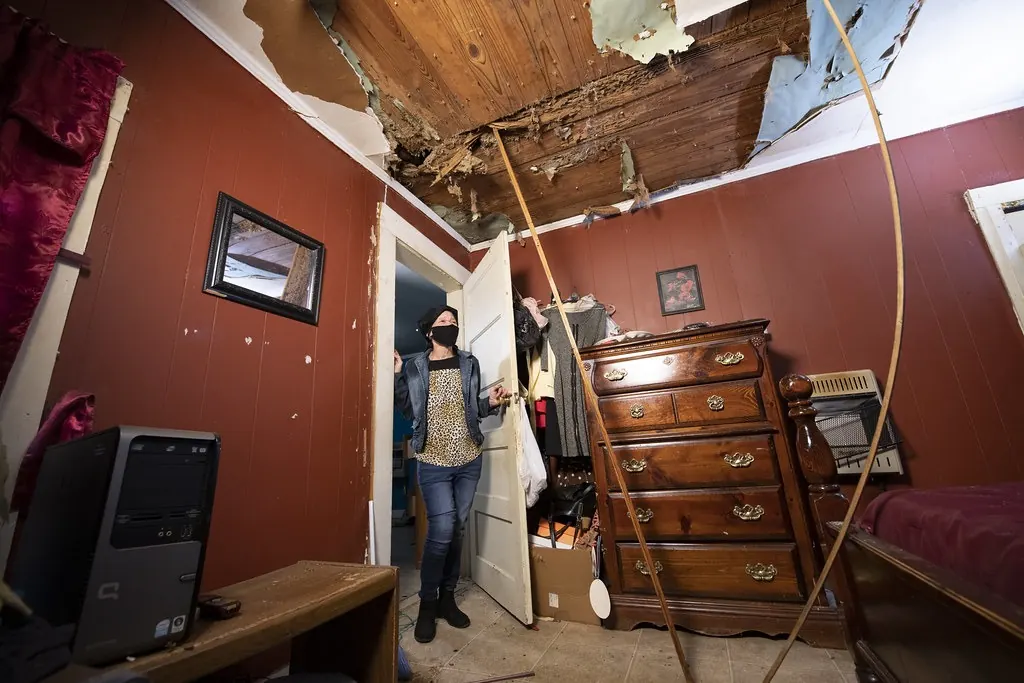
Water travels. A failed second-floor supply line can ruin a ceiling, walls, cabinets and the basement below. Carrier scopes often stop at visible stains. Common gaps include:
- Drying and dehumidification time cut short
- Drywall or plaster removed only to a fixed height instead of where moisture readings ended
- Hardwood or laminate flooring that cups or swells after a “dry” sign-off
- Cabinets with water-swollen bases priced as cleaning only
- Mold remediation limits, which many policies cap separately
- Contents in basements: furniture, electronics, stored items
Evidence that helps the panel
Moisture-mapping records, drying logs from the mitigation company, plumber invoices identifying the failed part and dated photos all help. If you replaced the failed component, keep it. Each piece supports the scope an appraisal panel can agree on.
Timing matters as well. Water that sits for more than a day or two in an Ohio basement starts to wick into drywall, framing and carpet pad, and mold can follow. Most policies expect you to take reasonable steps to stop further damage, so calling a mitigation company quickly is usually the right move. Ask the crew to leave their moisture maps and photos with you, and make sure any materials they remove are photographed first. Those records often settle arguments about how high the wet line reached and how long drying should have taken.
Freeze-related water losses
When a frozen pipe bursts in January, the loss straddles water and winter perils. Our ice dam and frozen pipe appraisal page covers the heating and vacancy conditions that often come up in those claims. To understand terms such as “sudden and accidental,” see the appraisal lexicon.
Questions about water damage appraisal
Is a sewer backup in my basement covered by homeowners insurance in Ohio?
Not under the base policy in most cases. Many Ohio homeowner forms exclude sewer and drain backup unless you bought an endorsement, which usually has its own sublimit. Check your declarations for a water backup or sump overflow endorsement.
Can appraisal be used on a flood insurance claim?
NFIP flood policies have their own appraisal provision for disputes over the amount of loss, but the rules differ from homeowner policies. Read your flood policy closely and follow its specific steps and deadlines.
Why did my insurer pay only for drying and not rebuilding?
Sometimes the carrier believes materials dried successfully, and sometimes the scope simply missed hidden damage. Moisture readings and photos taken during mitigation help show whether walls, floors or cabinets needed replacement.
What if water has been leaking slowly for months?
Many policies exclude repeated seepage or leakage over time, so long-term leaks are often a coverage question rather than an appraisal one. If coverage is denied, talk to an Ohio attorney about whether the exclusion fits your facts.