Three policy types, three different fights
Home insurance appraisal in Ohio looks different depending on the form in your declarations. The clause itself reads much the same, but what is disputed changes.
HO-3 owner-occupied homes
Most single-family houses are on an HO-3. Disputes here usually center on the dwelling: roof slopes, siding elevations, interior finishes and whether replacement cost or actual cash value applies until repairs are done. Contents can be appraised too when the disagreement is about value, not coverage.
HO-6 condo units
A condo unit owner’s policy picks up where the association’s master policy stops. The first job is reading the declaration and bylaws to see who owns drywall, cabinets and flooring. Appraisal on an HO-6 often follows a water or fire loss in a Columbus, Cincinnati or Cleveland-area building where the master carrier and the unit carrier each point at the other.
DP landlord policies
Dwelling fire forms (DP-1 and DP-3) cover rental houses and doubles. Many pay actual cash value on some items and exclude or limit loss of rents unless endorsed. Landlords in Akron, Dayton or Youngstown often own older brick doubles where depreciation arguments run hot.
Ohio houses carry their own pricing problems
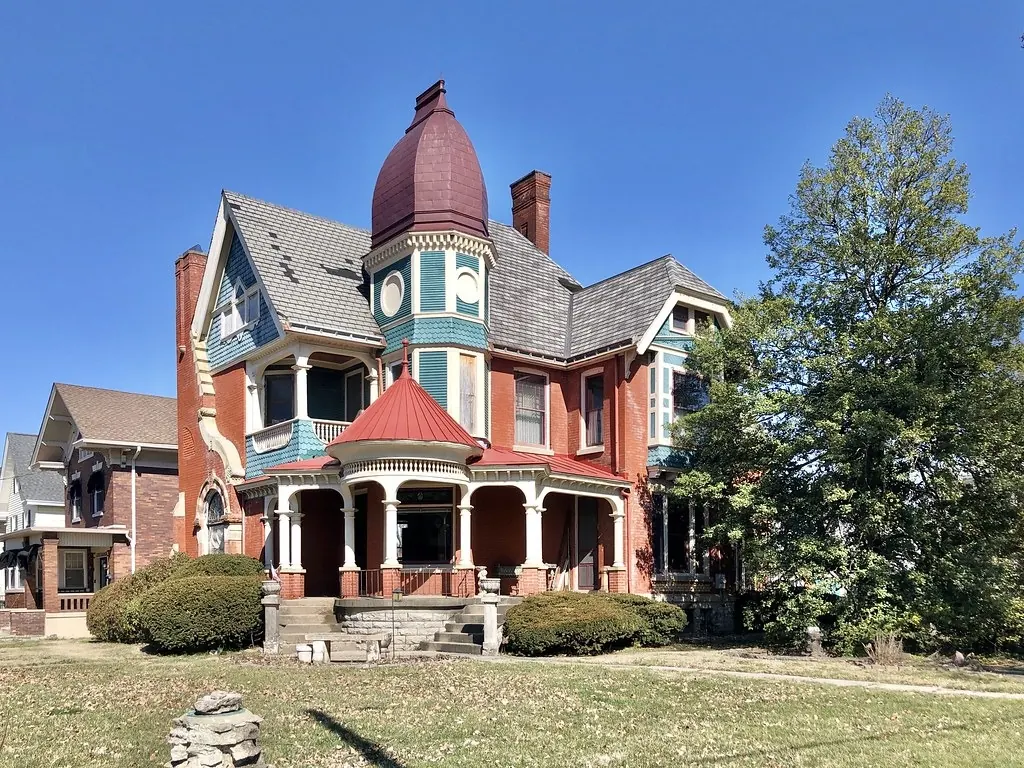
Ohio’s housing stock is old. Pre-1940 homes with plaster and lath, slate or tile roofs, built-in cabinetry and hardwood floors run through Cleveland’s inner-ring suburbs, Cincinnati’s hillside neighborhoods and nearly every county seat. Carriers commonly price these as if they were 1990s tract homes. Basements are close to universal here, so a single loss can involve a finished lower level, mechanicals and the main floor at once.
- Plaster walls priced as drywall patching instead of plaster repair or full-room replacement
- Hardwood that can’t be feathered in because the original species or width is no longer stocked
- Siding and roofing that won’t match after a partial repair
- Code items — such as electrical or roof decking requirements — left out of the scope
- Depreciation applied to labor, or to items with years of useful life left
Contents, outbuildings and living expenses
A house claim is rarely just the house. Detached garages, sheds and fences fall under other structures coverage, and many Ohio lots carry a detached garage that took the same hail or wind as the home. Contents losses after a fire or a burst pipe can run into hundreds of line items. If you had to move out, additional living expense — rent, hotel nights, extra mileage, laundry — belongs in the claim too. Each of these coverages has its own limit, and an appraisal panel can value any of them when the disagreement is about amount. We keep them on separate schedules so the award shows exactly what was paid under each coverage, which makes later questions about limits and holdbacks much easier to answer.
How a residential appraisal usually moves
Once both appraisers are named, we inspect and build our own scope, then meet the carrier’s appraiser to compare line by line. Typical residential files close when the two appraisers sign an agreed figure; an umpire is brought in only for what is still unresolved. The appraisal timeline page explains each stage in detail.
Where we work
We handle homeowner files statewide — from the Lake Erie shoreline and the snowbelt to the Miami Valley and the hill towns of Appalachian Ohio. See local notes for Columbus and Cleveland, or contact us about any county.
Questions about home insurance appraisal
Does an HO-6 condo policy include an appraisal clause?
Most HO-6 forms include the same appraisal language as standard homeowner policies, but check your own policy to confirm. The bigger issue is usually sorting what the unit policy owes versus the association’s master policy, which depends on your condo declaration.
Can a landlord use appraisal on a rental house claim?
Yes, dwelling fire policies such as DP-3 commonly contain an appraisal clause. Landlord disputes often turn on depreciation and actual cash value, so documenting the age and condition of the property before the loss is especially useful.
Will my insurer still pay the undisputed part while appraisal is pending?
Many carriers pay the amount they agree on and dispute the rest, but practices differ. Keep track of every payment so the final award can be credited correctly against what you already received.
Are plaster walls treated differently in an Ohio home appraisal?
They often should be. Plaster repair uses different labor and materials than drywall, and matching textures in older Ohio homes can require more work than a carrier’s estimate allows. We price plaster as plaster when that is what the house has.