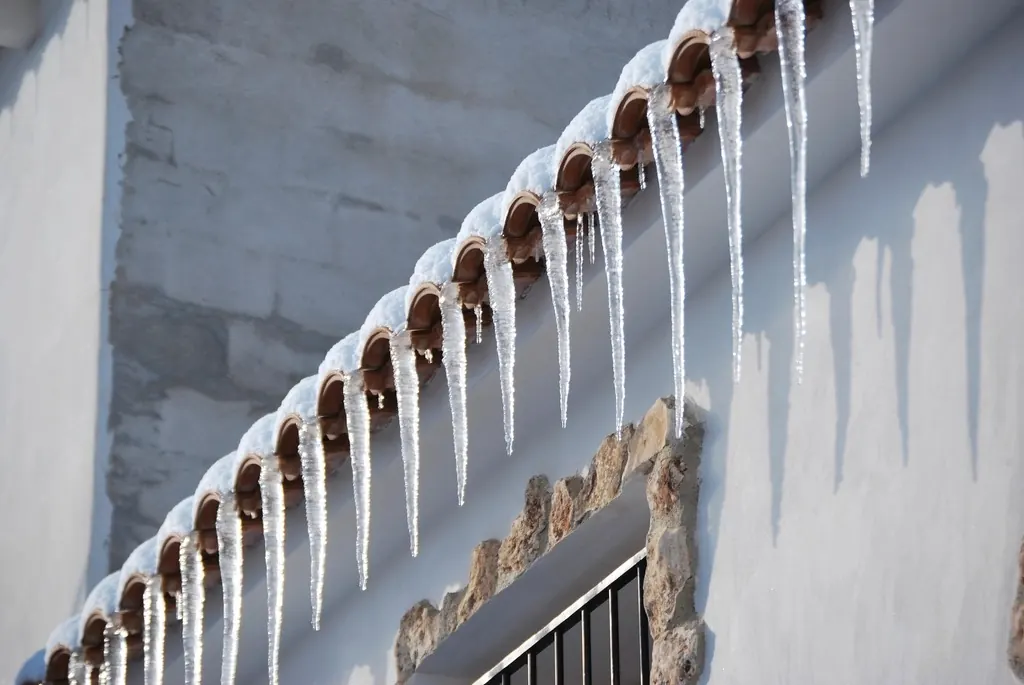
Winter in the snowbelt and beyond
East of Cleveland, lake-effect bands off Lake Erie bury Lake, Geauga and Ashtabula counties under some of the heaviest snowfall in the Midwest. The rest of the state gets its share too — the Great Blizzard of January 1978 shut down Ohio from Toledo to Cincinnati. Snow, deep cold and thaw cycles create a set of claims we rarely see in other seasons. Ice dam claim appraisal in Ohio handles the disputes that follow.
How ice dams cause damage
Heat escaping from a living space melts snow on the upper roof. The water runs down and refreezes at the colder eaves, forming a ridge of ice. Meltwater pools behind it, backs up under shingles and leaks into soffits, walls and ceilings. Older Ohio homes with limited attic insulation and complex rooflines — Cape Cods, bungalows, Victorian gables — are especially prone.
Many homeowner policies cover the resulting interior water damage. Some exclude or limit the roof itself, treating ice-dam formation as a maintenance issue. The wording varies, so check your policy.
Frozen and burst pipes
A pipe in an exterior wall or crawl space can freeze during a cold snap and split. When it thaws, water pours out. Many Ohio policies cover the resulting damage, but often only if you maintained heat in the building or drained the system. Vacancy clauses can also limit coverage on homes left empty for a set period — a frequent issue with rental doubles and estates.
Snow load and ice storms
Heavy, wet snow can crack rafters, bow trusses or collapse porch roofs and carports. Ice storms bring down limbs and power lines. Weight of ice, snow or sleet is a named peril on many policies, though some forms limit coverage for awnings, fences, patios and similar items.
Documenting a winter loss
Winter evidence melts. Photograph icicles, ice ridges at the eaves and snow depth on the roof before conditions change, and note the date and outdoor temperature. Inside, photograph stains, bubbling paint and wet insulation as soon as they appear. For a burst pipe, keep the split section of pipe and the plumber’s invoice identifying where it failed. Save utility bills that show the furnace was running. These details answer the questions carriers most often raise on winter claims — when the damage started, what caused it and whether heat was maintained — and they give an appraisal panel a firm basis for the scope.
Where winter estimates fall short
- Interior repairs priced, but damaged roof underlayment and ice-barrier left out
- Insulation soaked by meltwater left in place
- Drying time for walls and ceilings shortened
- Plumbing repairs priced without the wall and ceiling access needed to reach the break
- Structural repairs from snow load scoped without an engineer’s input
When a burst pipe floods a basement, the backup endorsement and sublimit can matter too — try our basement backup sublimit calculator. Our water damage appraisal page covers drying and mitigation disputes in more depth, and the Cleveland page has notes for snowbelt owners.
Questions about ice dam & frozen pipe appraisal
Are ice dams covered by homeowners insurance in Ohio?
Many policies cover the interior water damage an ice dam causes, while some limit or exclude repairs to the roof itself. The specific wording in your policy decides it, so read the water and roof provisions closely.
My pipes froze while I was away — will insurance pay?
Often it depends on whether heat was maintained or the water was shut off and drained. Policies commonly include these conditions for freeze losses, and vacancy clauses can apply if the home was empty for a long period.
Can snow load damage be appraised?
Yes, if the carrier accepts the claim and the disagreement is about the amount. Snow-load disputes often turn on structural repairs, which benefit from an engineer’s report included in the appraisal file.
How quickly should I report a winter water loss?
As soon as possible. Most policies require prompt notice and reasonable steps to stop further damage, such as shutting off water and starting drying. Delays can create coverage arguments that are hard to undo.