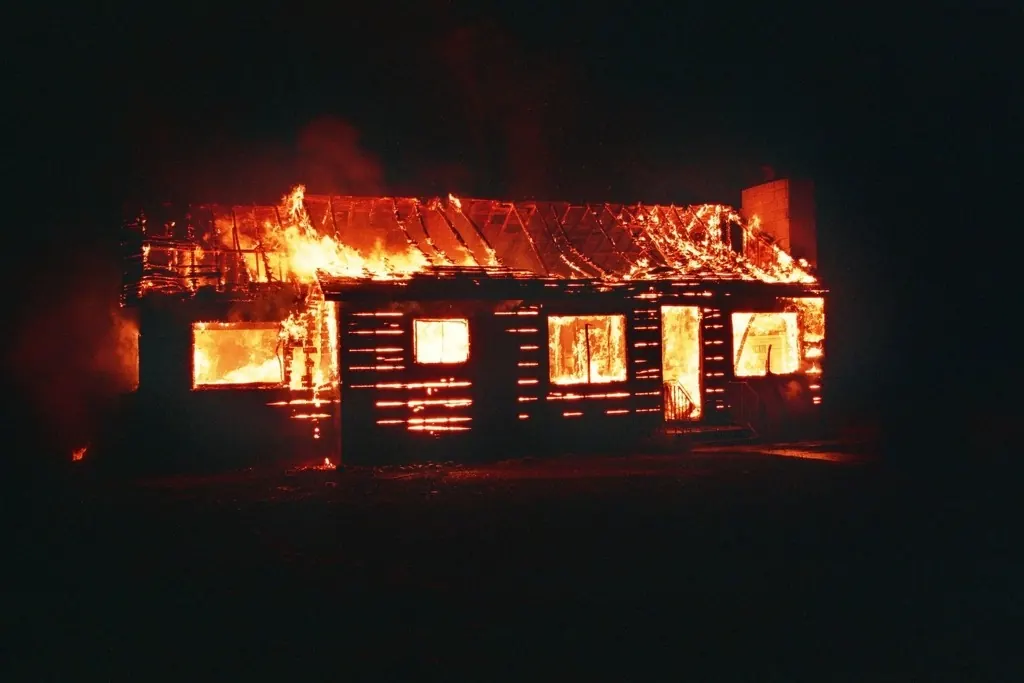
The three layers of a fire loss
Every fire claim has at least three layers: the direct burn damage, the smoke and soot that spread through the building and the water used to put the fire out. Fire damage appraisal in Ohio works through each layer, because carriers often price the first carefully and the other two lightly.
Direct fire damage
Charred framing, collapsed ceilings and burned roofing are rarely disputed. The argument is usually about how far the replacement extends — whether partially charred joists can be sealed or must be replaced, and whether a structural engineer agrees.
Smoke and soot
Smoke moves through ductwork, wall cavities and attics. Odor can linger in insulation, plaster and hardwood long after visible soot is wiped away. A cleaning-only scope that leaves odor behind isn’t a complete repair.
Water from suppression
Fire hoses can soak a house from attic to basement. That water damage belongs in the fire claim and should be dried, removed and rebuilt like any other water loss.
Older Ohio homes complicate fire repairs
Balloon-frame construction in many pre-1940 Ohio houses lets fire and smoke travel from basement to attic through open wall cavities. Plaster and lath, old knob-and-tube wiring and original woodwork all affect what can be cleaned versus replaced. When a significant part of a house is damaged, your local building department may require current-code electrical, framing or egress work, which many policies cover only up to an ordinance or law limit.
Where fire estimates commonly fall short
- Smoke cleaning priced for walls but not ceilings, closets or ducts
- Insulation left in place despite odor
- HVAC systems cleaned rather than replaced after heavy soot exposure
- Contents depreciated too steeply or valued at garage-sale prices
- Additional living expense cut short while rebuilding drags on
- Code and ordinance items omitted from the scope
Living away from home
A serious fire can keep a family out of its home for months. Additional living expense, sometimes called loss of use, pays for the increased cost of living elsewhere — rent or hotel bills, extra commuting, pet boarding and similar costs above your normal expenses. Many Ohio policies limit this coverage by dollar amount or by time. When repairs stretch because the scope is disputed, those limits can run out before the house is ready. Keeping receipts and a simple log of extra costs from the first night onward makes this part of the claim much easier to support.
Contents and replacement cost
Many Ohio policies pay actual cash value for contents up front and the depreciation holdback once items are replaced. Understanding that split matters when you are deciding what to replace and when. Our RCV/ACV holdback calculator walks through an illustrative example.
If arson or cause is in question
When the carrier is investigating the cause of a fire or questioning coverage, appraisal is usually not the right tool yet. Cooperate with the investigation and talk to an Ohio attorney. Once coverage is confirmed, appraisal can settle the amount. To understand the whole process, read our appraisal timeline or browse common questions on the appraisal Q&A page.
Questions about fire & smoke appraisal
Can smoke damage be appraised if there was no fire in my unit?
Often yes. Smoke from a neighboring unit or a nearby building fire can damage your property, and the amount of that damage can be appraised if coverage is accepted. Document odor, soot residue and any cleaning attempts.
How are fire-damaged contents valued in an appraisal?
Usually item by item, using replacement cost and depreciation based on age and condition. A detailed inventory with photos and receipts, where available, gives the panel the best basis for agreement.
Does my policy pay to bring a fire-damaged house up to code?
Many Ohio policies include ordinance or law coverage, often limited to a percentage of the dwelling limit. Check your declarations and endorsements so you know what code-related costs are covered.
Should I hire a fire restoration company before appraisal?
Emergency mitigation, such as board-up and water extraction, is usually expected to prevent further damage. Make sure everything is documented before materials are removed so the appraisal panel can still evaluate the loss.