- Fallen trees
- Wind
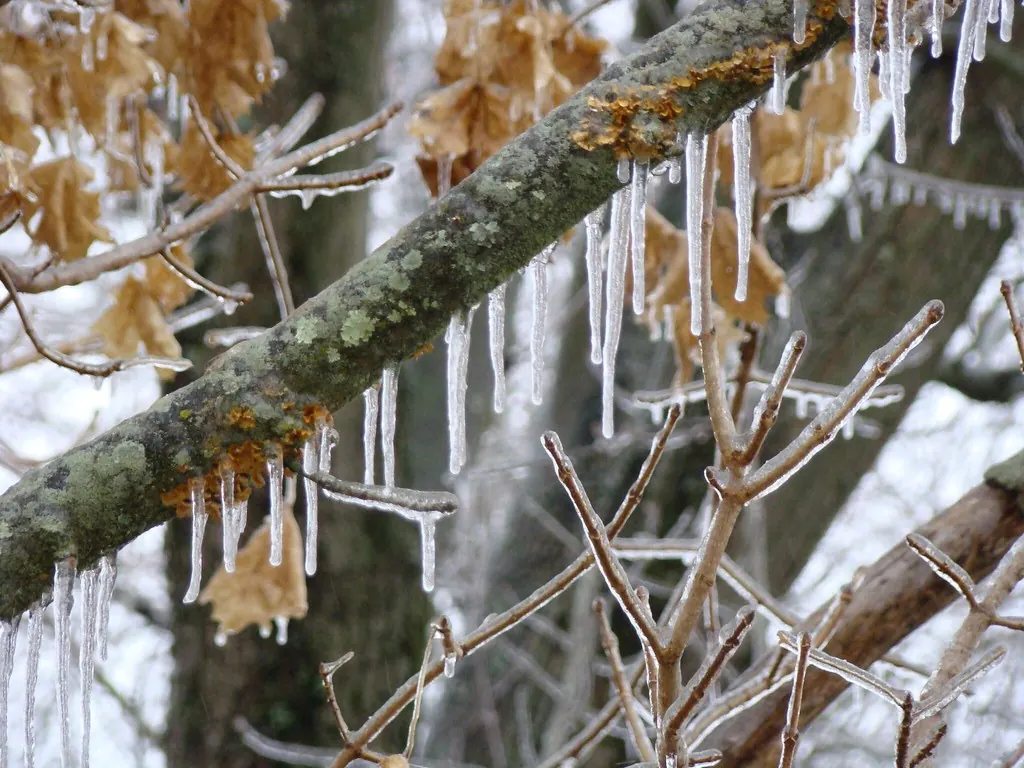
- Ice storms
- River flooding
- Hillside water
Rivers and hills
Zanesville grew where the Licking River joins the Muskingum, a meeting point marked by the city’s well-known Y-Bridge. To the south and east, Muskingum County climbs into the wooded hills of Appalachian Ohio. That setting creates a distinct mix of risks: river flooding in low-lying areas, water running off hillsides into basements, and mature trees falling on roofs and outbuildings when storms or ice storms hit.
History written by water
The Great Flood of March 1913 sent the Muskingum River through Zanesville, flooding large parts of the city. Flood is still excluded from homeowners policies, and separate flood coverage is the only way to insure that risk. Wind, ice and fallen trees cause most of the covered storm losses today, along with the frozen pipes and ice dams that come with Southeast Ohio winters. The September 2008 remnants of Hurricane Ike also brought hurricane-force gusts and downed trees across the state.
Older brick and rural homes
The Putnam area, across the Muskingum from downtown, is known for its 1800s homes, many of brick with slate or metal roofs, tall windows and plaster interiors. Neighborhoods across the city add early- and mid-1900s frame houses on hilly streets. Out in Falls Township, Duncan Falls, Dresden, New Concord and Roseville, many homes sit on wooded or rural lots with detached garages and outbuildings, and some rely on wells and septic systems.
Common Muskingum County disputes
- Tree-fall claims that pay for the roof hole but not the framing, gutters, interior and removal.
- Hillside water entering basements, debated as surface water versus covered water damage.
- Historic brick, slate and plaster priced as modern materials.
- Ice storm damage to roofs and outbuildings treated as wear.
- Rural access and travel costs left out of contractor pricing.
If water is at the center of your dispute, the water damage appraisal page explains how we document source and scope, and the basement backup sublimit calculator helps you see what an endorsement cap means for your claim.
Rural lots raise practical questions too. Contractors may charge for travel and equipment access on steep or unpaved drives, and well or septic damage may fall under different policy provisions than the house itself. An insurance appraiser in Zanesville, Ohio should account for those costs rather than pricing the job as if it sat on a flat city street.
Working with us in Zanesville
We inspect the property, write a detailed estimate and compare it with the insurer’s. If the policy includes an appraisal clause and the difference is significant, we can act as your appraiser. We serve Zanesville and all of Muskingum County, along with surrounding Southeast Ohio communities.
Neighborhoods and nearby communities
We inspect in and around Zanesville, including Putnam, South Zanesville, Falls Township, Duncan Falls, Dresden, New Concord, Roseville, and anywhere else in Muskingum County and the surrounding counties.
Appraisal services in Zanesville
- Appraisal Demand Representation
- Home Insurance Appraisal
- Commercial & HOA Appraisal
- Hail & Roof Appraisal
- Tornado & Windstorm Appraisal
- Derecho & Hurricane Remnant Appraisal
- Water Damage Appraisal
- Fire & Smoke Appraisal
Zanesville claim questions
Is flood damage from the Muskingum River covered by my Zanesville homeowners policy?
No. Homeowners policies exclude flood. Coverage for river flooding requires a separate flood policy through the NFIP or a private insurer. Wind or tree damage from the same storm may still be covered under your homeowners policy.
A tree fell on my Muskingum County garage. What should the estimate include?
Beyond the visible roof damage, the estimate should consider framing, sheathing, gutters, doors, contents inside and tree removal. Many policies cap tree removal, so check your policy for the limit.
Do historic Putnam homes cost more to repair after storm damage?
Often they do. Brick, slate, tall wood windows and plaster take specialized labor and materials. A scope built on modern materials can fall well short, so documenting the original construction is important.