The umpire’s place on the panel
Under most Ohio appraisal clauses, each side names its own appraiser and those two choose an umpire. If they can’t agree on one, either side can ask a court to appoint one. The umpire steps in only on items the appraisers can’t resolve, and an agreement signed by any two of the three sets the amount of loss. An insurance appraisal umpire in Ohio has real power, which is why neutrality matters so much.
Disclosure before acceptance
Before we accept an umpire appointment, we disclose any relationship with the parties, the appraisers, the carrier, the contractors or the law firms involved. That includes prior engagements as a party appraiser for or against the same carrier. Both appraisers get the same information, and either can object before we begin.
- Prior or current work for either party or appraiser
- Financial interest in the property or repairs
- Personal or business relationships with anyone involved
- Any other fact that could reasonably affect impartiality
How we run the umpire phase
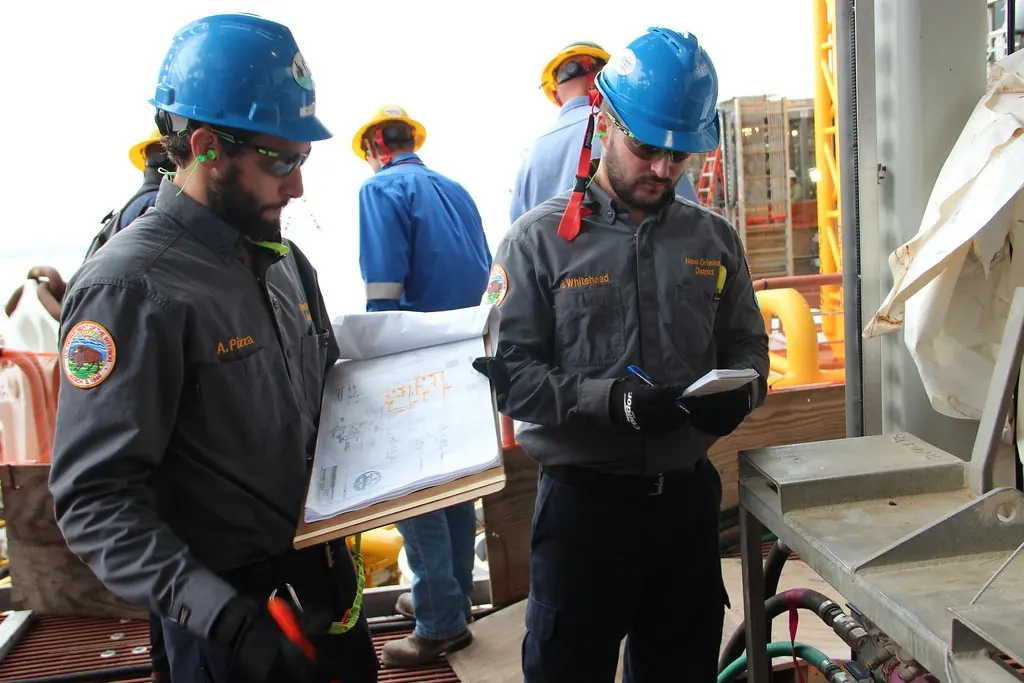
We start by getting both appraisers’ estimates and a list of disputed items. Agreed items stay agreed. We then inspect the property, usually with both appraisers present, and ask each to explain its position on the open items. Communication runs to both appraisers equally — no private conversations about the merits.
We decide each disputed item on the evidence: measurements, photos, product information, local pricing and the policy terms the appraisers agree apply. Our written decision lists each item so both sides can see how the final figure was reached.
What an umpire doesn’t decide
An appraisal umpire commonly decides the amount of loss, not coverage. If a dispute turns on whether a loss is excluded or whether a policy condition was met, that question belongs with the parties and, if needed, a court. We note such issues so the award is clear about what it does and doesn’t address.
Keeping the process even-handed
Neutrality is more than a disclosure form. We set a written schedule both appraisers agree to, share every document we receive with both sides and hold any hearing or joint meeting with both appraisers present. If one appraiser submits new material late, the other gets time to respond. When a property is far from either appraiser’s base — a farmhouse in northwest Ohio or a hillside home near Marietta — we arrange inspection times that work for both. These steps are simple, but they are what make an award signed by the umpire and one appraiser hold up as a fair result for everyone involved.
Fees and scheduling
Under most policies, the two sides split the umpire’s fee. We give both appraisers a written fee basis before the engagement starts, and we schedule inspections promptly so the panel can keep moving. Our appraisal timeline guide explains where the umpire fits, and the appraisal lexicon defines terms like award, umpire and amount of loss.
Party appraisers anywhere in Ohio — from Youngstown to Cincinnati — can contact our team with the claim details, the parties and the appraisers involved so we can run a conflict check before agreeing to serve.
Questions about neutral umpire services
How is an umpire chosen if the two appraisers can’t agree?
Most Ohio appraisal clauses allow either party to ask a court to appoint an umpire when the appraisers deadlock on the choice. Check your policy wording for the exact procedure, and talk to an Ohio attorney about the court filing.
Does the umpire inspect the property in person?
Usually, yes. Most umpires inspect the disputed areas, ideally with both appraisers present, so they can see the conditions and measurements behind each position.
Can an umpire rule on whether damage is covered?
Typically no. The umpire’s role is to help set the amount of loss. Coverage questions, such as whether an exclusion applies, are generally for the parties and the courts.
What should an umpire disclose before accepting a case?
Any prior work, financial interest or relationship involving the parties, appraisers, carrier or contractors that could reasonably affect impartiality. Full disclosure up front lets either side object before the umpire starts work.