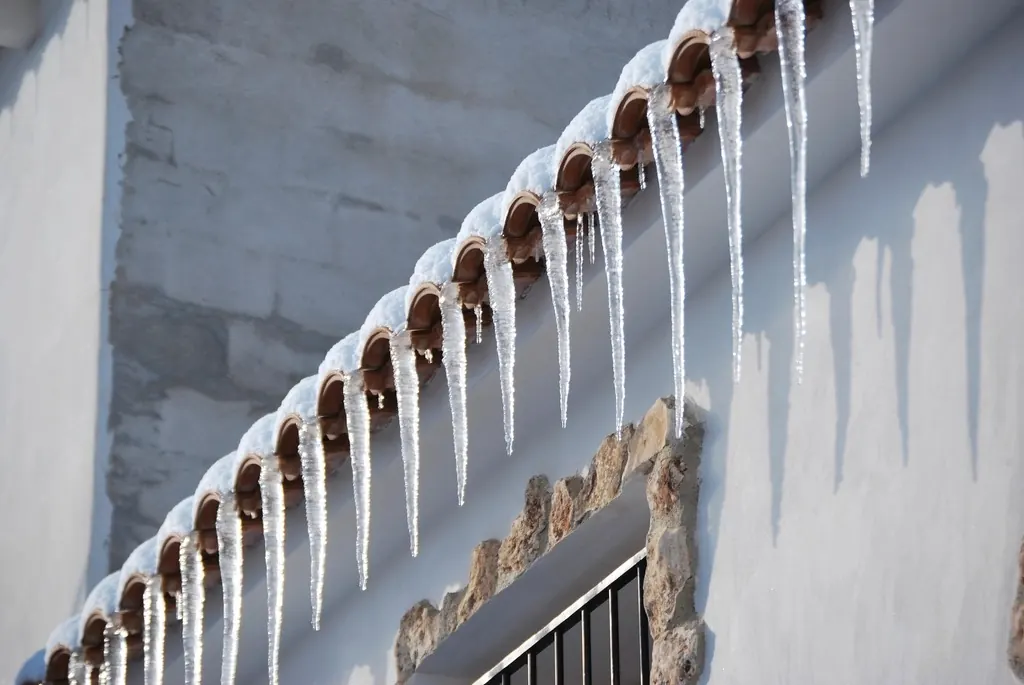
Winter water in northeast Ohio
Lake-effect snow piles up fast east of Cleveland. Lake, Geauga and Ashtabula counties routinely see some of the heaviest snowfall in the state, and older homes across the region, with uneven attic insulation and short eaves, are prime territory for ice dams. Add a hard cold snap and a supply line in an outside wall, and a quiet January can turn into a soaked ceiling. Whether you are filing an Ohio ice dam claim or a frozen pipe claim, the evidence you collect in the first day or two often decides how smoothly it goes.
Winter losses also tend to arrive in clusters. After a major lake-effect event or a deep freeze, restoration companies and plumbers in the snowbelt are booked solid, and adjusters may be handling dozens of similar claims at once. That makes your own records even more valuable, because the first inspection may be brief and the person writing the estimate may never see the damage at its worst.
How ice dams and freeze losses are usually covered
Many Ohio homeowners policies cover sudden interior water damage caused by ice dams and by pipes that freeze and burst. They often draw lines, though:
- The interior damage — ceilings, walls, insulation, flooring — is commonly covered, while the cost to fix a worn roof or failed pipe itself may not be.
- Freeze damage in a home that was vacant or unheated is frequently excluded unless you kept the heat on or drained the system.
- Gradual leaks, long-term seepage and mold that grew over weeks are often excluded or tightly limited.
Wording differs from policy to policy, so read the freezing, vacancy and water provisions before assuming anything.
Documenting an ice dam loss
Ice dams melt, and the evidence melts with them. Photograph early:
- The ice ridge and icicles along the eaves from the ground, with a wide shot showing the whole elevation.
- Snow depth on the roof, if you can see it safely.
- Interior stains, drips and bulging drywall, with dates visible on your phone’s photo data.
- Wet insulation in the attic and any staining on the roof deck from below.
Do not climb an icy roof. If you hire someone to steam the ice off, ask for a dated invoice that describes what they found. Keep notes on when you first saw water inside.
Ice dams also tend to recur. If you had one last winter and fixed the interior, the insurer may ask whether this is new damage or old staining. Photos from the prior repair, and invoices showing it was completed, help separate the two. Many policies also expect reasonable maintenance, so keeping gutters clear and attic ventilation working supports the claim as well as the house. An Ohio ice dam loss is far easier to present when the paper trail is complete.
Documenting a frozen pipe loss
For a burst pipe, the insurer’s first questions usually concern heat and occupancy. Gather:
- The failed section of pipe, saved in a bag and labelled.
- The plumber’s invoice noting where the break was and what caused it.
- Heating bills or thermostat history showing the house was heated.
- Photos of the thermostat setting and of the area where the pipe ran.
- Your water bill or meter reading if usage spiked.
If the home was empty for a stretch — a snowbird trip, a house between tenants — note who checked on it and when.
Snow load is a related risk. A heavy, wet snowfall can crack rafters, collapse porch roofs or damage gutters even without an ice dam. Photograph sagging lines, cracked framing and bent gutters, and have a contractor note structural concerns in writing.
Common disputes and how appraisal helps
Once a winter water loss is accepted, the usual disagreements are about scope. How far up must drywall be cut? Is plaster on lath repairable, or must a whole ceiling come down? Does the insulation need full replacement? Were drying days and equipment counts reasonable? Should hardwood be refinished or replaced to match? Ohio’s older plaster homes make these questions especially common.
Those are amount-of-loss questions. If you and the insurer are apart on them, appraisal gives both sides a structured way to resolve the number. Our ice dam and frozen pipe appraisal service handles snowbelt claims from Cleveland’s east side to the Pennsylvania line. Set your key dates — date of loss, proof of loss request, suit limitation — in the claim calendar builder so winter does not run out your clock.