Two storms that redrew expectations
Ohio does not get hurricanes, but it has twice in recent memory been hit by wind that behaved like one. On September 14, 2008, the remnants of Hurricane Ike crossed the state with hurricane-force gusts, tearing roofs and toppling trees from Cincinnati to Columbus and beyond. About two million customers lost power, and the storm became one of the costliest insured events in Ohio history. Less than four years later, on June 29, 2012, a derecho raced across central and southern Ohio, centered on the Columbus area, leaving roughly a million without power in summer heat. Both storms offer lessons for any Ohio wind damage claim.
Lesson 1: Widespread storms strain every part of a claim
When hundreds of thousands of homes are damaged at once, adjusters, roofers and tree crews are stretched thin. Inspections are rushed, estimates lean on desk pricing, and contractors raise prices to meet demand. Common results:
- First estimates that miss whole elevations, outbuildings or fences.
- Unit prices that reflect normal conditions rather than post-storm local costs.
- Long waits for re-inspection, during which temporary repairs age and evidence fades.
If your claim was handled in a storm surge, review the estimate line by line once things calm down. Supplements and, if needed, appraisal are built for exactly this.
Widespread storms also bring out-of-area contractors. Many do good work, but some leave once the rush ends, which makes warranty and supplement follow-up harder. Get written estimates that itemize scope, and keep copies of any contract you sign.
Lesson 2: Trees are their own claim
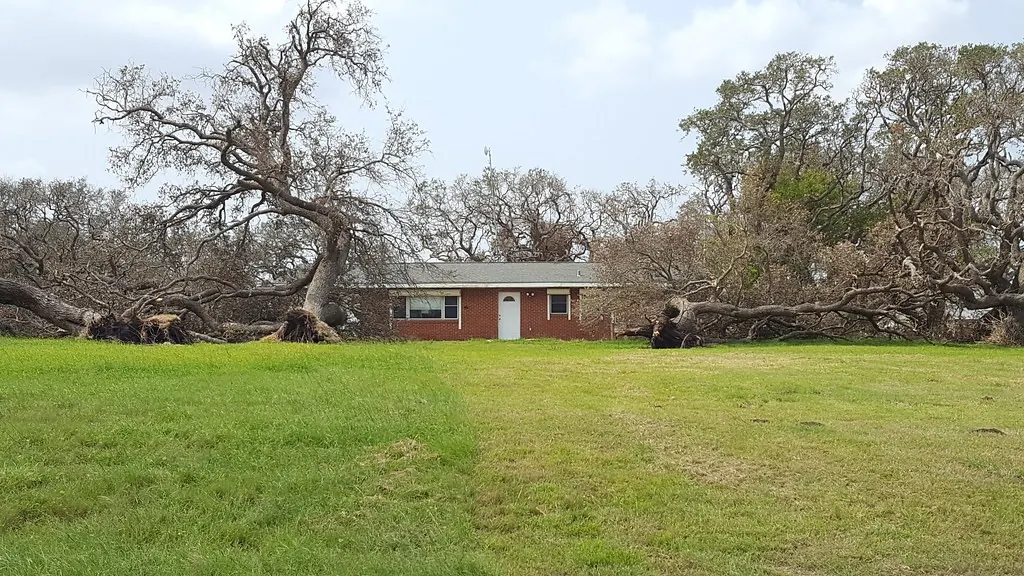
Both storms brought down mature trees across older neighborhoods. Tree claims raise specific questions that policyholders often do not expect:
- Many policies pay to remove a fallen tree only if it struck a covered structure or blocks a driveway, often with a per-tree and per-loss cap.
- Damage to the tree itself, as landscaping, usually has a separate, modest limit.
- Hidden damage — cracked rafters, shifted framing, broken sewer laterals — may not show until debris is cleared.
Photograph the tree where it fell before it is cut up, and ask the tree crew to note what it struck.
Lesson 3: Read your deductible before the next storm
Some Ohio policies carry a separate wind or hail deductible set as a percentage of the dwelling limit, commonly 1%–5%. For example, an illustrative 2% deductible on a $300,000 dwelling limit is $6,000 — far more than a typical flat deductible. Owners who first learn this after a big storm are often surprised by the payment. Check your declarations page now, and use the percentage deductible calculator to see what yours would mean in practice.
Long power outages raise their own questions. Food spoilage, generator rental and hotel stays may be covered in part, depending on the policy and on whether the outage was caused by damage on your property or off it. Keep every receipt and ask the adjuster in writing what applies.
Lesson 4: Document while the damage is fresh
Ike and the derecho both arrived with little practical warning, and cleanup started immediately. The claims that went smoothest tended to have strong early documentation:
- Wide and close photos of every side of the house, the roof from the ground, and outbuildings.
- Video walking the property before any debris is moved.
- Receipts for tarps, generators, food spoilage where covered, and emergency repairs.
- Notes of the storm date and time, and any neighbors’ damage that shows the storm’s path.
Keep damaged shingles, siding pieces or gutter sections if you can; they help both appraisers later.
Lesson 5: Know when price, not coverage, is the fight
After a widespread windstorm, most disputes are not about whether wind caused the damage. They are about how much: whether a roof should be repaired or replaced, whether siding must be replaced on a full elevation to match, what overhead and profit applies, and what local labor really cost that season. Those are amount-of-loss questions, and appraisal is designed for them. If the insurer is disputing cause or coverage, that is a different question; talk to an Ohio attorney.
Ohio’s storm record is long — the Xenia tornado of 1974, Niles–Wheatland in 1985, the Memorial Day 2019 outbreak around Dayton — and wind will return. Preparing your policy review and documentation habits now makes the next Ohio wind damage claim far easier to resolve.
Our derecho and remnant storm appraisal service focuses on these widespread wind events, and the appraisal timeline walks through each stage from demand to award.